How Gut Health For Acne Is Important for Clear Skin
Achieve Clear Skin: The Connection Between Gut Health and Acne
The connection linking gut health to skin clarity is intricate. Recent studies demonstrate that gut bacteria imbalances may trigger heightened inflammation, possibly worsening acne. This connection suggests that addressing gut health could be a crucial step towards achieving clearer skin. Comprehending the processes underlying this connection could reveal fresh approaches for successful acne treatment. What targeted methods can individuals use to capitalize on this gut-skin link for improved skin condition?
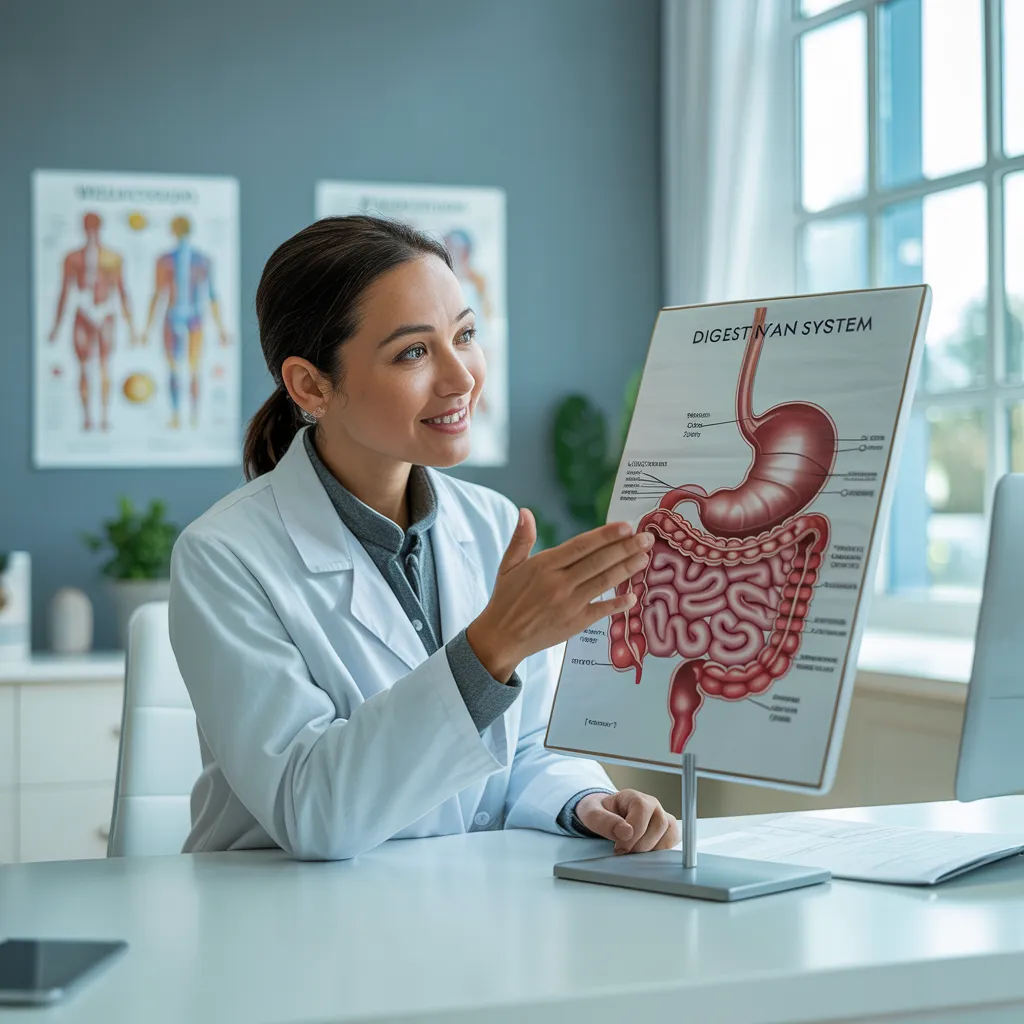
What Exactly Is the Gut-Skin Connection?
How does the gut influence skin health? The gut-skin connection is a complex interplay involving the microbiome, inflammation, and nutrient absorption. The gut hosts trillions of microorganisms that influence overall health, including skin conditions. When the balance of gut bacteria is disrupted, it can cause systemic inflammation, which may appear as skin issues. Additionally, the gut plays a significant role in the absorption of essential nutrients, such as vitamins A, C, and E, which are necessary for maintaining skin integrity. A healthy gut microbiome can enhance skin barrier function and hydration, fostering a clear and radiant complexion. Understanding this connection is key for addressing diverse skin concerns and improving overall skin health through dietary and lifestyle changes.
How Does Gut Health Affect Acne Development?
While many factors contribute to acne development, current research underscores the considerable role of gut health in this process. The gut microbiome, which is composed of trillions of microorganisms, influences inflammation and immune responses. An imbalance in gut bacteria can lead to dysbiosis, which has been connected to increased inflammation and skin issues, including acne. Furthermore, the gut plays an important role in nutrient absorption; deficiencies in key vitamins and minerals can aggravate skin conditions. Furthermore, the gut-brain-skin axis demonstrates that stress and mental health, regulated by gut health, may also influence acne. Thus, maintaining a balanced gut microbiome may be crucial for decreasing acne occurrences and promoting clear skin. Understanding this connection provides new approaches for acne treatment strategies.
Top Nutritional Options for Digestive Wellness and Radiant Skin
A balanced diet rich in specific foods can greatly enhance gut health and contribute to clearer skin. Incorporating a variety of fruits, vegetables, whole grains, and healthy fats is essential. Fiber-rich foods, including lentils, beans, and broccoli, encourage proper digestion and foster helpful gut bacteria. Fermented foods like yogurt, kimchi, and sauerkraut also play an important role, as they introduce probiotics that improve gut flora balance. Omega-3 fatty acids, available in foods like salmon and walnuts, diminish inflammation, which can benefit skin problems. Moreover, antioxidants from berries and leafy greens neutralize oxidative stress, continuously supporting skin health. Together, these food choices create a nurturing environment for both gut and skin wellness.
What Role Do Probiotics Play in Supporting Gut Health and Skin Clarity?
Probiotics play an essential role essential guide in promoting gut health and enhancing skin clarity by improving the balance of beneficial bacteria in the digestive system. These live microorganisms contribute to the preservation of a healthy gut microbiome, which is essential for digestion and nutrient absorption. By decreasing inflammation and inhibiting the overgrowth of harmful bacteria, probiotics help to reduce problems that can cause skin problems, including acne. Moreover, they support the gut-skin axis, a connection where gut health directly influences skin condition. Regular consumption of probiotics can enhance overall skin texture and hydration, encouraging a clearer complexion. Thus, adding probiotics into the diet may greatly benefit both gut health and skin clarity.
How to Tell If Your Gut Health Needs Attention
How can someone determine if their gut health needs attention? Multiple indicators may suggest underlying gut problems. Persistent digestive problems, like bloating, gas, or unpredictable bowel movements, commonly suggest imbalances in gut microbiome. Unexplained fatigue or persistent skin conditions, including acne, can also suggest that the gut is not functioning at its best. Additionally, individuals may experience food intolerances or cravings for sugar and processed foods, which can further disrupt gut health. Mood changes, worry, or depression can correspond with gut imbalances owing to the gut-brain relationship. Watching these manifestations is important for understanding when to access professional support, as quick response can help reestablish gut health and elevate overall vitality, including skin quality.
Proven Methods for Gut Health to Improve Skin Clarity
Improving gut health can have a beneficial effect on skin clarity. Incorporating probiotic foods, keeping proper hydration, and reducing sugar intake are actionable steps that can support both gut health and skin quality. These approaches may help individuals obtain a clearer complexion by fostering a balanced gut microbiome.
Increase Your Probiotic Food Intake
Integrating more probiotic-containing foods into your diet can remarkably enhance digestive health, which in turn may produce healthier-looking skin. Probiotics, health-promoting bacteria that exist in foods, help balance the gut microbiome, potentially reducing inflammation and improving digestion. Cultured foods including yogurt, kefir, sauerkraut, kimchi, and miso are outstanding probiotic sources. These foods not only support gut flora but also facilitate the absorption of nutrients, which is essential for skin health. Regular consumption of probiotics may help stabilize hormone levels and decrease acne breakout intensity. For maximum benefits, individuals should aim to include a variety of probiotic-rich foods in their daily meals, fostering a varied intestinal microbiome that can lead to better skin appearance.
Maintain Daily Hydration
Though probiotic foods contribute importantly to improved gut health, hydration holds equal importance in sustaining clear skin. Daily intake of proper water amounts aids in removing toxins from your system, which may result in improved skin clarity. Sufficient hydration facilitates digestion and the absorption of nutrients, making certain that vital vitamins and minerals access the skin properly. In addition, water supports the maintenance of skin resilience and dampness, decreasing dryness manifestation and stimulating a vibrant glow. Setting a goal of at least eight water glasses daily can markedly advance general skin health. Infused waters with fruits and herbal tea options can likewise boost hydration amounts while offering supplementary antioxidants. All in all, ensuring adequate hydration constitutes a basic yet indispensable strategy for reaching clearer, more nourished skin.
Minimize Dietary Sugar Consumption
Although various aspects influence complexion quality, limiting sugar intake emerges as a crucial measure for fostering gut health and achieving a clearer complexion. Overindulgence in sugar can trigger inflammation and disrupt the gut microbiome, intensifying acne and other skin conditions. By limiting sugary foods and beverages, people can support equilibrium of their gut flora, which plays a critical role in skin health. Instead, concentrating on whole foods, such as fruits, vegetables, and whole grains, promotes both gut and skin integrity. Moreover, incorporating probiotics, such as yogurt or fermented foods, can also boost gut health. Ultimately, adopting a low-sugar diet not only supports the gut but also creates a path to improved skin clarity and holistic wellness.
The Effects of Stress on Your Gut and Skin
Stress can notably interfere with both digestive wellness and skin health, generating a complex interplay that can worsen acne. When one faces stress, the body secretes cortisol, a hormone that can result in increased oil production in the skin. This heightened oil, along with inflammation commonly triggered by stress, can contribute to clogged pores and the development of acne. In addition, stress harmfully alters gut microbiota balance, creating dysbiosis, which consequently impacts skin health. A healthy gut is vital for skin clarity, as it supports detoxification and nutrient absorption. Consequently, managing stress through approaches such as mindfulness, exercise, and a balanced diet can be essential for preserving both gut health and clearer skin.
Questions & Answers
Can Acne Be Caused by Food Intolerances Linked to Gut Health?
Indeed, acne can be affected by food intolerances linked to gut health. When the gut is impaired, inflammatory responses may escalate, potentially leading to skin concerns, including acne, as the body struggles to maintain balance.
How Long Does It Take to See Results From Gut Health Improvements?
Observable improvements in gut health typically occur within approximately four to six weeks. That said, each person's response may vary depending on factors including diet, lifestyle, and overall health conditions related to the digestive system.
Do Specific Supplements Exist to Improve Gut Health for Clearer Skin?
To enhance gut health, probiotics, prebiotics, and omega-3 fatty acids are often recommended as supplements. These compounds may help with digestion and inflammation reduction, potentially resulting in better overall health and clearer skin.
Does Water Intake Affect Both Gut Health and Skin Appearance?
Water consumption levels considerably influence both digestive health and skin appearance. Adequate water intake promotes ideal digestive function and skin elasticity, while dehydration can exacerbate problems such as dehydrated skin, swelling, and acne, contributing to impaired general health.
Can Stress Management Techniques Improve Gut Health and Reduce Acne?
Evidence suggests that stress management techniques can positively influence gut health, potentially resulting in improved skin conditions such as acne. By decreasing stress, individuals may elevate their overall well-being and support clearer skin.